How SCOPE Members Are Building Paths of Food Justice in South LA
Written by Sofia Garcia-George, SCOPE Senior Health Justice Associate
What happens when the cost of living keeps rising, wages fail to keep up, and the opportunities people need to get ahead become harder and harder to find?
What happens when working hard is no longer enough to make ends meet?
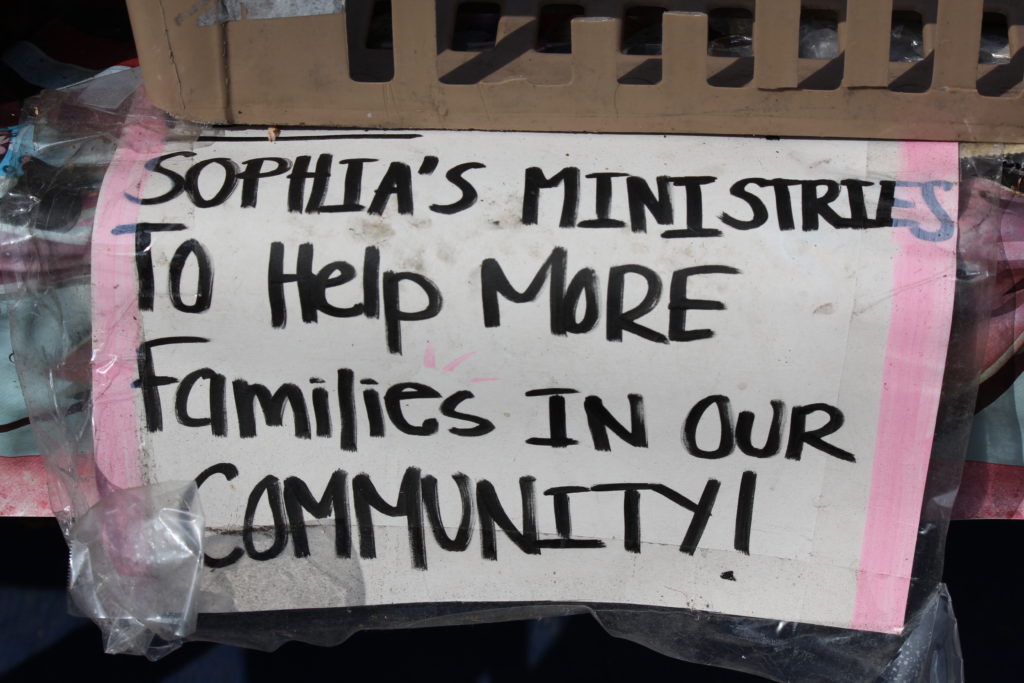
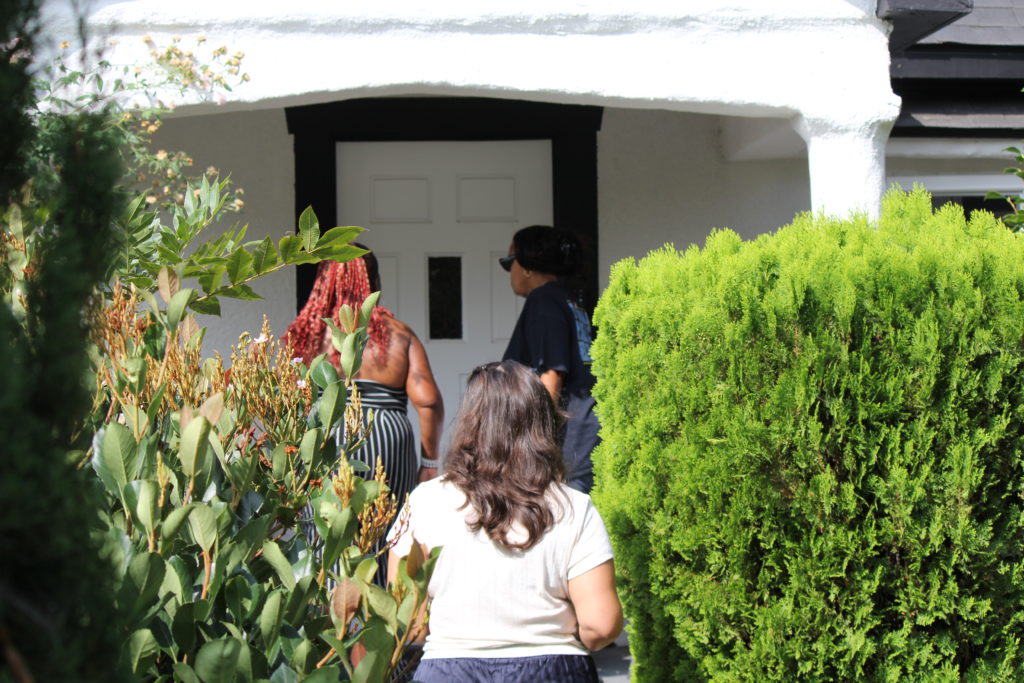
“Hi, we’re from the community – I’m Sophia. We are here at your front door to deliver a bag of groceries for you and let you know that we care for you and love you.” – Sophia Holly, SCOPE Member & Founder of Sophia’s Ministries.
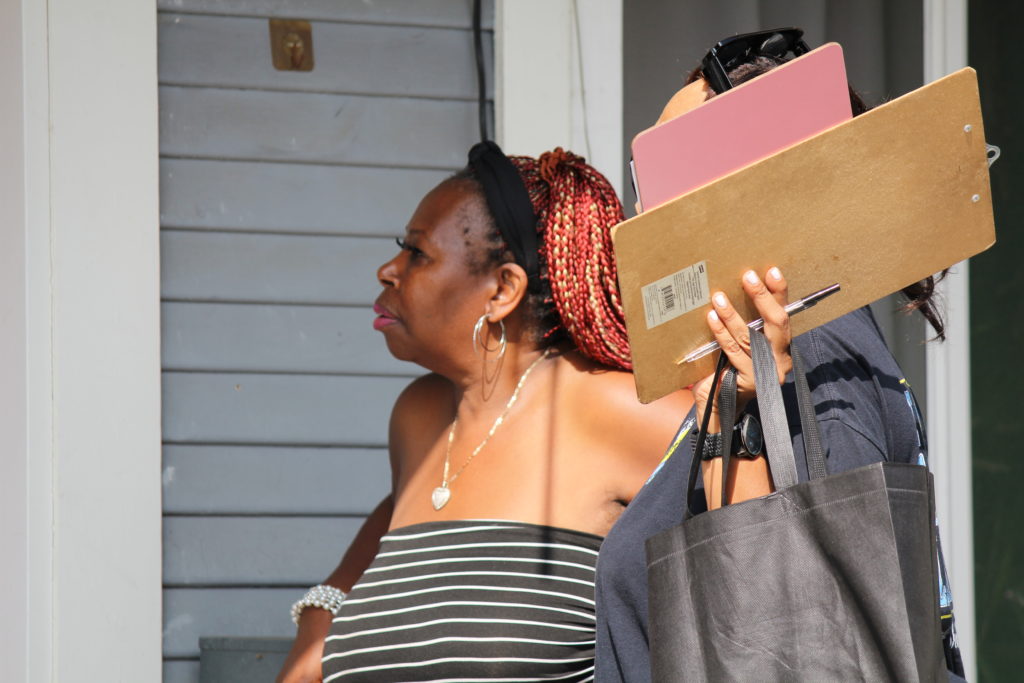
In the face of these challenges, neighborhoods in South LA have always found ways to look after one another. But why should community residents have to get creative just to access nutritious food?
The Problem Isn’t Food Supply
Hunger is rarely caused by a physical scarcity of food. Instead, it is driven by systemic barriers.
A long-standing systemic barrier in South LA neighborhoods is the lack of full-service grocery stores, leaving a large majority of residents reliant on convenience stores stocked with processed, nutrient-deficient foods or forced to travel longer distances to neighboring grocery stores.
At the federal level, H.R. 1, known as the ‘One Big Beautiful Bill Act,’ makes deep cuts to food assistance. Even a state as wealthy as California can’t fully replace that lost support. So where does that leave residents?
Finding collective creative solutions. One of those solutions is mutual aid.
What Is Mutual Aid?
Mutual aid is not new – think of bringing your newly postpartum friend a meal or participating in a clothing swap – these are all forms of mutual aid, rejecting the idea that every action must be transactional. Unlike traditional charity, mutual aid is rooted in solidarity and reciprocity, where community members are not just recipients of support but are active participants in building collective solutions.
Through Strategic Concepts for Organizing & Policy Education’s (SCOPE) Block by Block program, we’re responding to immediate food needs while building the relationships, trust, and community power necessary to address the systemic barriers that perpetuate food insecurity.

The core of SCOPE’s work is power-building – an organizing strategy that focuses on cultivating enduring grassroots infrastructure so communities can continuously shape policy, resources, and societal norms. Power building opens the opportunity for questions like “who gets access to food?,” “how much?” and “where?” to be answered by the very people who access resources like SNAP, the federal food assistance program, known as CalFresh in California.
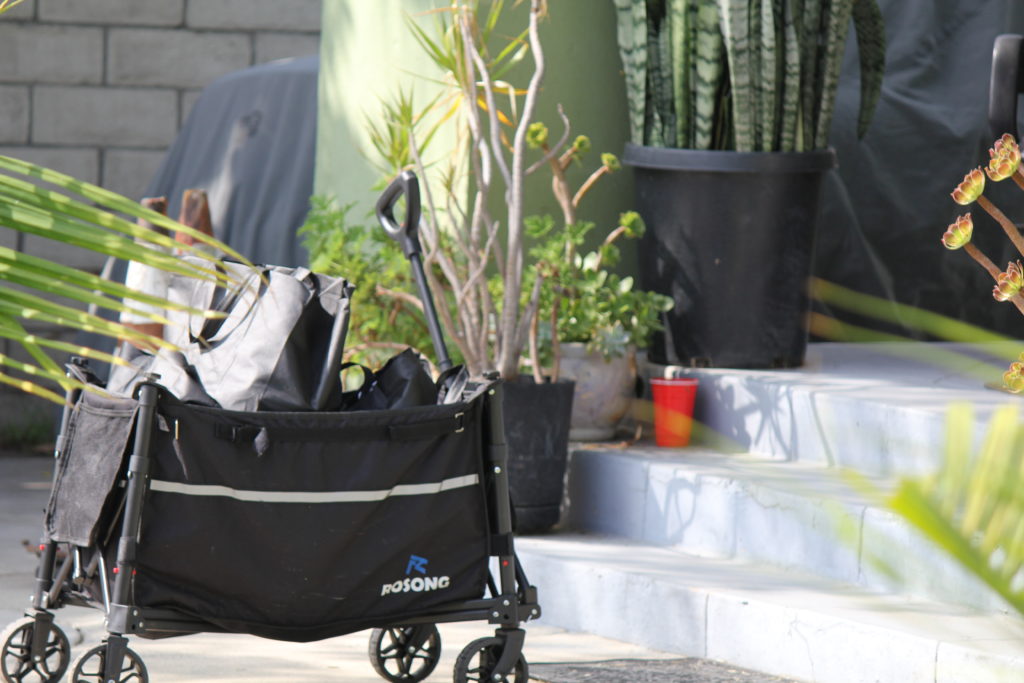
SCOPE’s Block by Block program offers a chance to invite folks to be a part of that conversation. Each time a bag of groceries is delivered, neighbors have a chance to talk to each other about why – why they need this support, and why we’re out here giving it.
Trust Comes First
This process starts with trust. Most people won’t share their struggles and how it’s affecting them directly with strangers. But they will share with trusted neighbors.
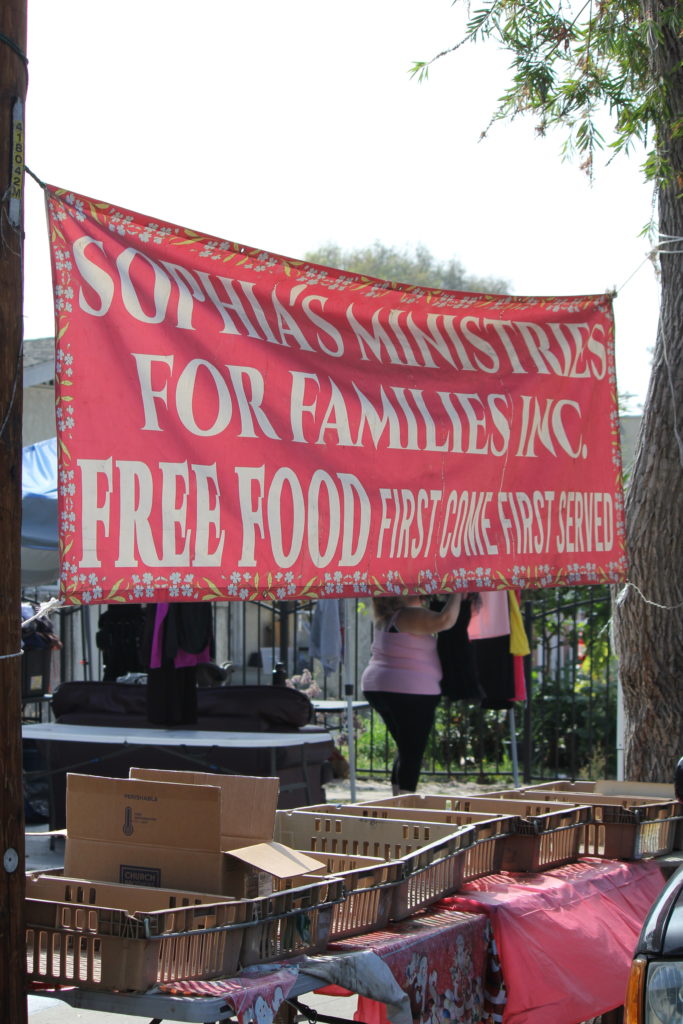
“As we were walking up to one neighbor’s door, I asked Sophia [SCOPE Member & Founder of Ms. Sophia’s Ministry] “Do you know them? Do you think they’ll answer the door?” She responded “I don’t know them but they know me – they always comin to get my food [Sophia’s Ministries].”
From Conversations to Change
Our conversations with community members show us where the work needs to be done. By going block by block, we better understand how to fill the gaps of food insecurity in South LA. Sometimes those conversations lead to immediate support. Over time, they can also shape the partnerships and policy priorities we push for.
Policy can also help close these gaps. The City of Los Angeles’ Good Food Zones Microgrants Pilot Program, in partnership with the Los Angeles Food Policy Council, supports neighborhood food businesses with grants and technical assistance, making healthy food more accessible while creating economic opportunities for local residents. At the state level, AB 1857, the Grocery Store Access Act, takes on another barrier by banning outdated agreements that can prevent grocery stores from opening in certain locations.
These efforts show what it looks like when policy meets community needs. Mutual aid meets people where they are today, and policy can help build a food system that works for them tomorrow.
There is more work to do, and neighbors are already leading it. Mutual aid helps us meet today’s needs while building the collective power to push for lasting change. Help us keep showing up, block by block.
Donate to SCOPE’s The People’s Mutual Aid Fund – here.